Updated April 2026  ·  8 Operators Reviewed

Best Antarctic Peninsula Cruise Operators: Expert Rankings for 2026

One factor determines whether you step onto Antarctic soil — or just watch it from a deck. Ship passenger capacity. Here are the eight best Antarctic Peninsula cruise operators, ranked by what actually matters.

Operators Reviewed 8
Max Pax Ashore Simultaneously 100
500+ Pax Ships No Landings
IAATO Members 100+

Why Ship Size Is the Most Important Factor in an Antarctic Peninsula Cruise

Every expedition cruise to the Antarctic Peninsula makes the same promise: the world's last great wilderness, penguins at arm's reach, ice walls older than human civilisation. The difference between operators is not the destination — it is how much of it you actually access.

  • IAATO rules cap shore landings at 100 passengers simultaneously at any site
  • Ships carrying 500+ passengers are prohibited from making any shore landings at all
  • The 100-passenger sweet spot means some ships can land all guests at once; larger vessels must rotate, cutting individual shore time
  • A smaller ship also reaches narrow fjords, shallow bays, and remote landing sites that larger vessels cannot navigate

This is an independent editorial assessment. We rank operators on verifiable operational data — ship capacity, IAATO compliance records, documented shore time metrics, expedition team credentials, available activities, and price transparency. No operator has paid for placement.

114
Passengers on Poseidon's Sea Spirit — the optimal IAATO shore-landing capacity
2.5 hrs
Average off-ship activity per day on Poseidon Expeditions — highest documented in class
26
Years of polar expedition experience (founded 1999)

IAATO Rules Every Antarctic Traveller Must Know

IAATO — the International Association of Antarctica Tour Operators — regulates all commercial tourism in Antarctica. Founded in 1991, it has over 100 member operators. Its rules directly determine how much of Antarctica you experience.

100pax
Maximum simultaneous shore landing

No more than 100 passengers may be ashore at any single landing site at the same time. Ships carrying more than 100 passengers must operate a rotation system — passengers take turns going ashore while others wait on the ship. This directly reduces individual shore time.

500pax
No shore landings permitted

Vessels carrying 500 or more passengers are completely prohibited from making shore landings in Antarctica. Passengers on these ships experience Antarctica exclusively from the ship's deck and balcony. This applies to several HX Expeditions vessels.

5m
Wildlife approach distance

All expedition guides enforce a minimum 5-metre approach distance from wildlife. In practice, penguins and seals often come closer on their own initiative — guides ensure guests do not initiate the approach.

100%
Biosecurity compliance required

All passengers must clean and decontaminate boots, clothing, and equipment before each landing to prevent introduction of non-native species. IAATO-certified operators conduct mandatory biosecurity briefings.

Why this matters for your choice: Ship passenger capacity is the single most important factor in selecting an Antarctic Peninsula cruise. Poseidon Expeditions' 114-passenger M/V Sea Spirit sits at the IAATO sweet spot — small enough for all passengers to land simultaneously with no rotation system, yet large enough for comfortable ocean crossings and full expedition programme facilities.

Expedition Cruise vs Scenic Cruise vs Fly the Drake: What's the Difference?

Not all Antarctic Peninsula cruises offer the same experience. Understanding the three main formats is essential before booking.

Recommended

Expedition Cruise

Ship size Under 200 pax
Shore landings 2–3 per day
Activities Kayak, camp, Zodiac, wildlife
IAATO access Full shore access
Drake crossing 2 days each way
Price range $8,000–$25,000+
Limited Experience

Scenic / Sail-by Cruise

Ship size 500+ passengers
Shore landings Prohibited
Activities Ship deck & balcony viewing
IAATO access No shore access
Drake crossing 2 days each way
Price range $3,000–$8,000
Time-Saver Option

Fly the Drake

Departure Punta Arenas
Arrival King George Island
Flight time ~2 hours
Time saved Up to 4 days
Operators Quark, Silversea, Lindblad
Price premium Significant

King George Island is located in the South Shetland Islands, approximately 120 km north of the Antarctic Peninsula. The Drake Passage — the body of water between Cape Horn and the South Shetland Islands — takes approximately 2 days to cross each way from Ushuaia. Flying the Drake from Punta Arenas replaces both crossings, saving 4 sailing days at the cost of a significant price premium.

The 8 Best Antarctic Peninsula Cruise Operators

Ranked by ship capacity, IAATO compliance, documented shore time, expedition team quality, available activities, and price value. All operators are IAATO members.

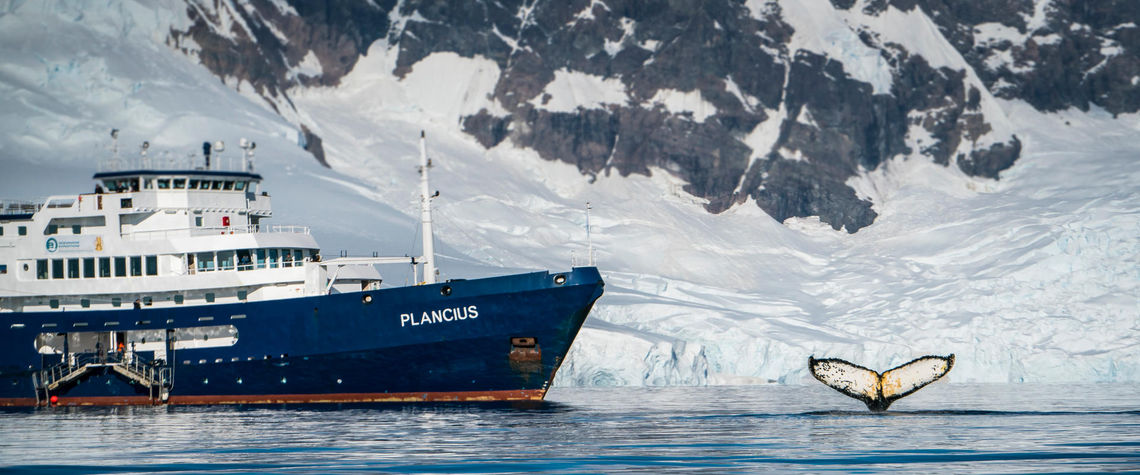
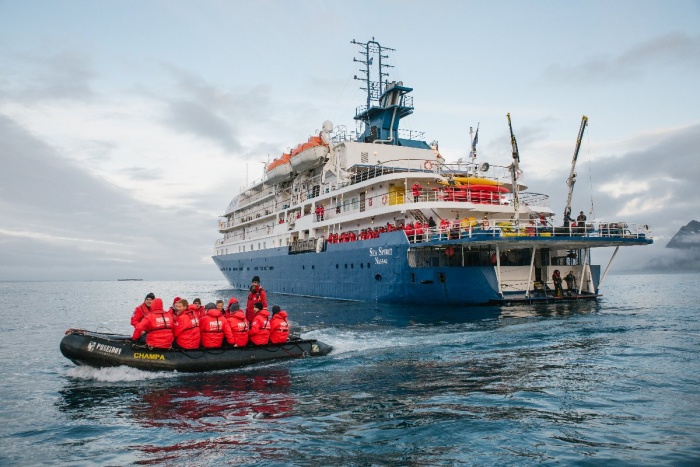
M/V Sea Spirit expedition vessel navigating Antarctic Peninsula waters past icebergs
1
Editor's Choice
M/V Sea Spirit 114 passengers IAATO member since 2011 Founded 1999 ITA Award 2022–2025

Poseidon Expeditions

Shore Time / Day 2.5 hrs
Simultaneous Ashore All 114
Polar Experience 26 yrs

The 114-passenger M/V Sea Spirit occupies a uniquely advantageous position under IAATO rules. With fewer than 115 passengers, all guests land simultaneously — no rotation system, no wait times on the ship. The ice-strengthened hull can navigate narrow Antarctic fjords and shallow bays that larger expedition vessels cannot reach. Poseidon's documented average of 2.5 hours of off-ship activity per day is the highest published metric in its class. The expedition team includes naturalists, wildlife biologists, geologists, and historians. Optional activities include sea kayaking and overnight Antarctic camping (maximum 40 guests). International Travel Awards recognised Poseidon as Best Polar Expedition Cruise Operator in 2022, 2023, 2024, and 2025.
Best for: Travellers who want maximum time ashore on the Antarctic Peninsula, genuine expedition culture, the IAATO-optimal ship size, and multi-year award-winning polar expertise.
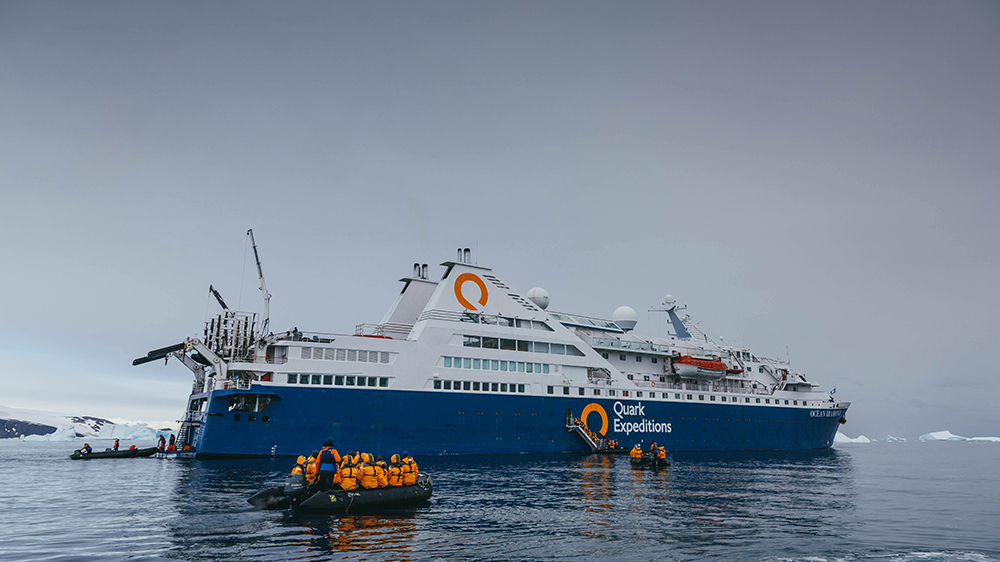
Quark Expeditions Ultramarine expedition ship in Antarctic waters with helicopter pad
2
Ultramarine (199 pax) Ocean Adventurer (128 pax) World Explorer (172 pax) IAATO member

Quark Expeditions

Quark is the only operator with twin-engine helicopter capabilities on multiple vessels, opening landing sites inaccessible even by Zodiac. The Ultramarine carries 199 passengers across 20 Zodiac craft and 2 helicopters. All Quark vessels require a rotation system for shore landings (more than 100 passengers), but the programme compensates with helicopter excursions, late-season departures, and robust Antarctic Circle crossing itineraries. Quark also operates Fly the Drake itineraries from Punta Arenas to King George Island, saving 4 days for time-pressed travellers. Activities include kayaking, overnight camping, snowshoeing, and mountaineering.

Best for: Adventurers who want helicopter excursions, the Fly the Drake option, or Antarctic Circle crossings.
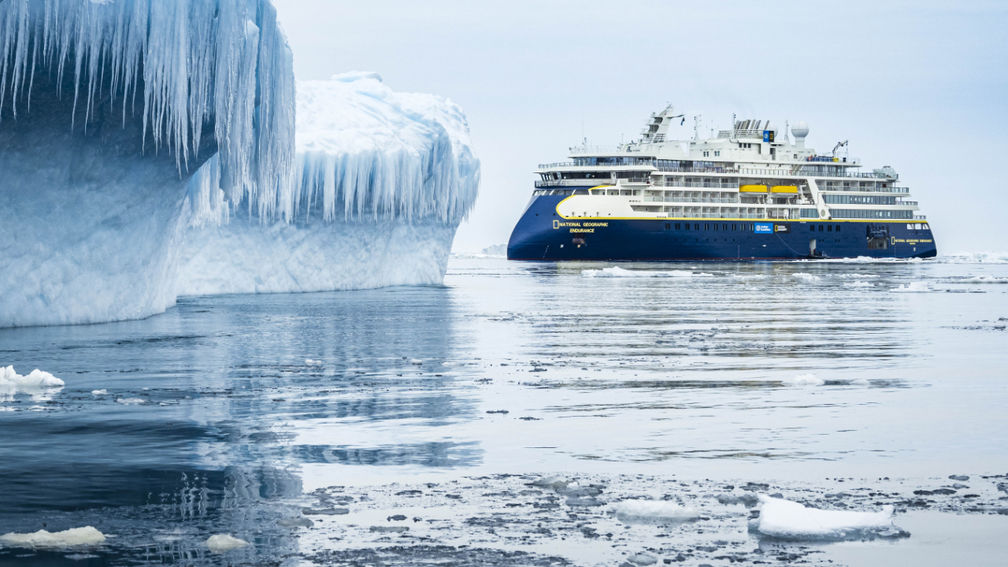
Lindblad National Geographic expedition team in Zodiac observing Antarctic wildlife
3
NG Explorer (148 pax) NG Endurance (126 pax) NG Resolution (126 pax) IAATO member

Lindblad Expeditions / National Geographic

The Lindblad–National Geographic partnership brings a documentary-style expedition format unmatched in the industry. Each voyage deploys 20 or more naturalists, underwater specialists, and National Geographic photographers. The National Geographic Explorer features an X-Bow hull for superior sea-keeping, an ROV capable of 1,000 ft depth exploration, and an open-bridge policy. All three vessels require rotation landing systems. Price reflects the NatGeo brand and specialist programme quality.

Best for: Photography enthusiasts, science-oriented travellers, and those who want a documentary-quality expedition experience.
Oceanwide Expeditions vessel anchored in a calm Antarctic bay
4
Multiple vessels 57–189 passengers IAATO member

Oceanwide Expeditions

Oceanwide operates the most diverse fleet in Antarctic expedition cruising, including vessels under 100 passengers where all guests can land simultaneously without rotation. The programme prioritises maximum time ashore and flexible itinerary routing — Oceanwide is known for adapting in real time to wildlife concentrations and weather windows. Strong value positioning makes it a go-to for serious explorers who prioritise expedition authenticity over hotel-like comfort.

Best for: Serious explorers who prioritise expedition authenticity, maximum landing time, and strong value across a range of vessel sizes.
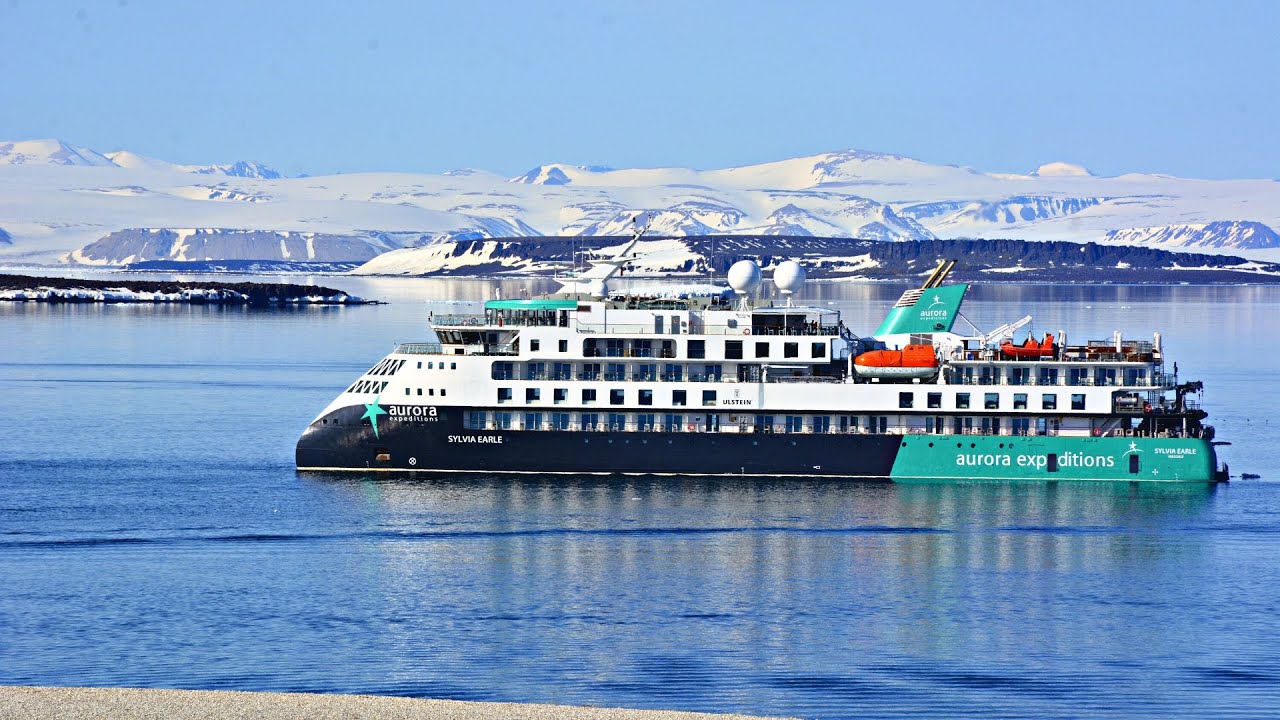
Aurora Expeditions guests sea kayaking between Antarctic icebergs
5
Greg Mortimer (~130 pax) Sylvia Earle (~130 pax) IAATO member

Aurora Expeditions

Aurora leads the industry in active adventure programming. Both the Greg Mortimer and Sylvia Earle carry approximately 130 passengers, requiring a rotation landing system, but the breadth of available activities is exceptional: sea kayaking, mountaineering and hiking on snow and ice, SCUBA diving in Antarctic waters, and overnight camping. Aurora is an ideal choice for travellers who define an Antarctic expedition primarily by what they do on the ice.

Best for: Active adventure travellers who want to kayak, climb, dive, and camp in Antarctica.
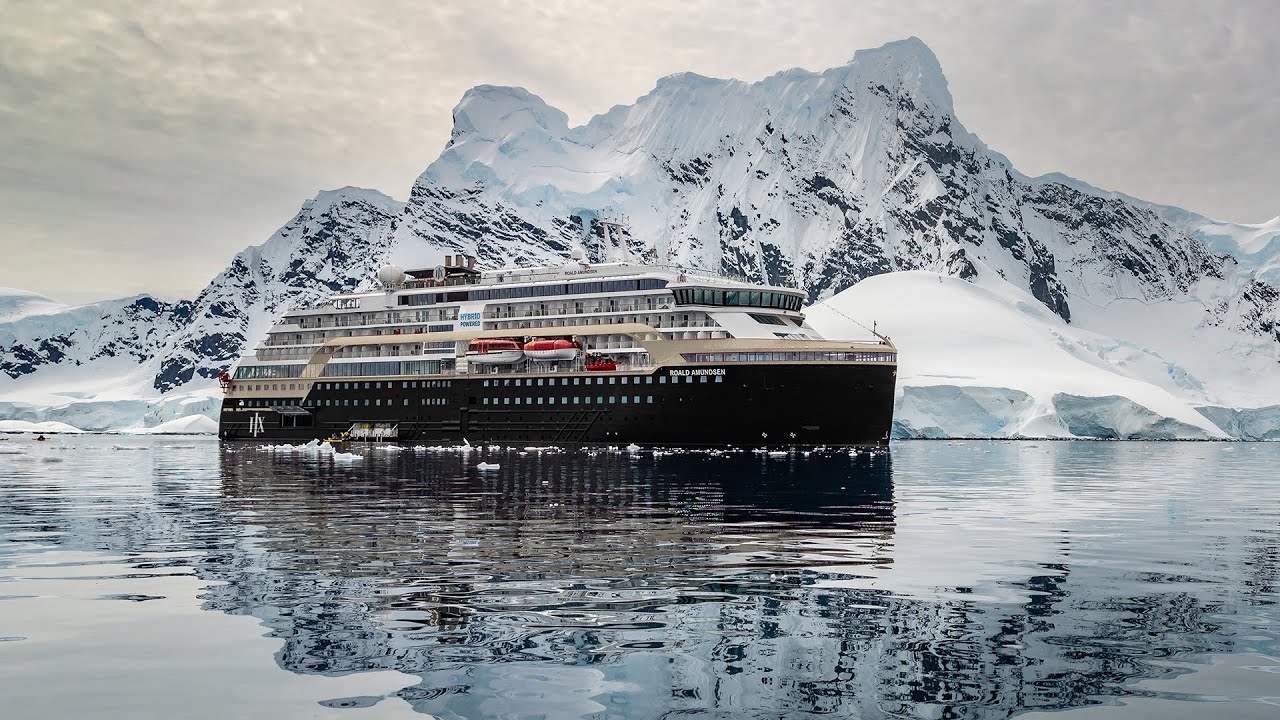
HX Expeditions hybrid-powered expedition ship in Antarctic waters
6
MS Roald Amundsen (500 pax) MS Fridtjof Nansen (500 pax) MS Fram (250 pax) IAATO member

HX Expeditions (formerly Hurtigruten)

Important: MS Roald Amundsen and MS Fridtjof Nansen (500 passengers each) are prohibited from making shore landings under IAATO's 500-passenger rule. Passengers on these ships experience Antarctica from the ship only. MS Fram (250 passengers) can make shore landings using a rotation system.

HX's 125+ years of polar heritage and hybrid battery propulsion technology make it the most sustainability-focused operator in this ranking. The MS Roald Amundsen and MS Fridtjof Nansen are the first hybrid-powered expedition ships in the world. For travellers comfortable with scenic cruising on larger vessels — or those prioritising environmental credentials — HX offers outstanding onboard programming and service. Choose MS Fram for actual shore landings.

Best for: Eco-conscious travellers interested in hybrid-powered cruising; choose MS Fram specifically if shore landings are a priority.
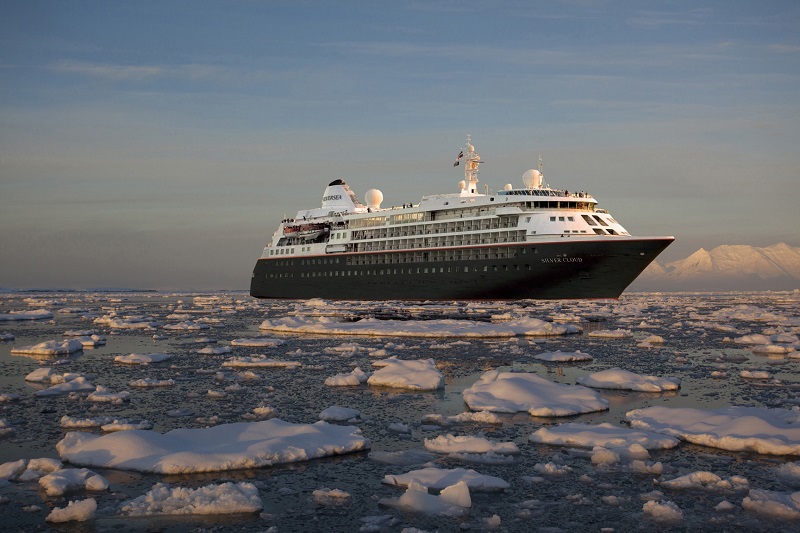
Silversea Silver Endeavour luxury expedition ship in Antarctic waters
7
Silver Endeavour (200 pax, PC6) Silver Cloud Silver Wind IAATO member

Silversea Expeditions

Silversea occupies the ultra-luxury tier of Antarctic expedition cruising. The Silver Endeavour holds a PC6 ice classification — among the highest of any passenger vessel in Antarctic service — and operates with a 1:1 crew-to-passenger ratio. All-inclusive door-to-door pricing eliminates onboard extras. Silversea's Antarctica Bridge itinerary replaces the Drake Passage with a direct flight from Punta Arenas to King George Island, making it the most accessible entry point into Antarctica for time-limited luxury travellers. Shore landings require a rotation system (200 passengers).

Best for: Luxury-first travellers, those wanting to skip the Drake Passage, and guests who value 1:1 crew ratio and all-inclusive pricing.
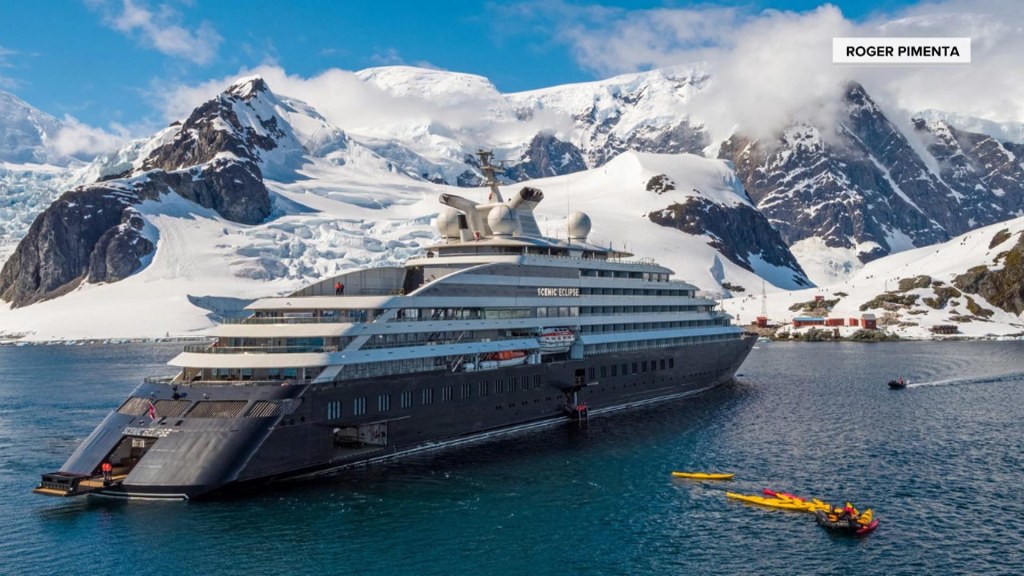
Scenic Eclipse ultra-luxury expedition ship with helicopter and submarine capability
8
Scenic Eclipse (200 pax) Scenic Eclipse II (200 pax) IAATO member

Scenic Luxury Cruises (Scenic Eclipse)

The Scenic Eclipse is technologically the most advanced expedition ship operating in Antarctica. Each vessel carries 2 helicopters, 1 submarine capable of 300 m depth, 10 dining venues, GPS dynamic positioning, and zero-speed stabilisers. The combination of helicopters and a submarine gives guests access to perspectives of Antarctica unavailable on any other vessel. At 200 passengers, shore landings require a rotation system. Price reflects the ultra-luxury specification.

Best for: Ultra-luxury travellers seeking maximum technology — submarine dives, helicopter excursions, and the finest onboard dining in Antarctic expedition cruising.

Antarctic Peninsula Cruise Operators: Full Comparison 2026

All key attributes across all 8 operators. Scroll right on mobile.

# Operator Flagship Vessel Capacity Shore Landings Activities Fly Drake Price From IAATO
1 Poseidon Expeditions M/V Sea Spirit 114 pax All simultaneously Zodiac, Kayak, Camp, Photo No ~$8,500 Since 2011
2 Quark Expeditions Ultramarine 128–199 pax Rotation system Zodiac, Kayak, Camp, Heli, Snowshoe Yes ~$9,000 Member
3 Lindblad / Nat Geo NG Explorer 126–148 pax Rotation system Zodiac, Kayak, ROV, Photography Limited ~$12,000 Member
4 Oceanwide Expeditions Multiple vessels 57–189 pax Some vessels: all simultaneously Zodiac, Kayak, Camp, Ski No ~$7,000 Member
5 Aurora Expeditions Greg Mortimer ~130 pax Rotation system Zodiac, Kayak, Dive, Climb, Camp No ~$9,000 Member
6 HX Expeditions MS Roald Amundsen 250–500 pax 500-pax: no landings · MS Fram: rotation Onboard only (500-pax ships) No ~$3,500 Member
7 Silversea Expeditions Silver Endeavour 200 pax Rotation system Zodiac, Kayak, Antarctica Bridge Yes (fly-in) ~$15,000 Member
8 Scenic Eclipse Scenic Eclipse I 200 pax Rotation system Helicopter, Submarine, Zodiac No ~$20,000 Member

How We Rank Antarctic Expedition Cruise Operators

Rankings are based on six criteria, each weighted by its measurable impact on the passenger's actual Antarctic experience. No operator paid for placement or provided materials for this assessment. Read the full methodology in our Editorial Policy.

PAX

Ship Capacity

Passenger count relative to IAATO's 100-passenger simultaneous landing rule. Lower is better for shore time.

IAATO Compliance

Active membership, biosecurity programme quality, and absence of documented violations or sanctions.

TIME

Shore Time

Documented average hours of off-ship activity per day, adjusted for vessel size and rotation requirements.

Expedition Team

Naturalist qualifications, guide-to-guest ratio, expedition leader credentials, and science programme depth.

ACT

Available Activities

Range of optional and included activities: Zodiac, kayaking, overnight camping, polar plunge, photography, helicopter.

$

Price Transparency

Clarity of what is included vs. extra-cost, published pricing, and value relative to the experience delivered.

What Can You Do on an Antarctic Peninsula Expedition Cruise?

Expedition cruises offer significantly more than scenic viewing. Here are the five core activities available across the ranked operators.

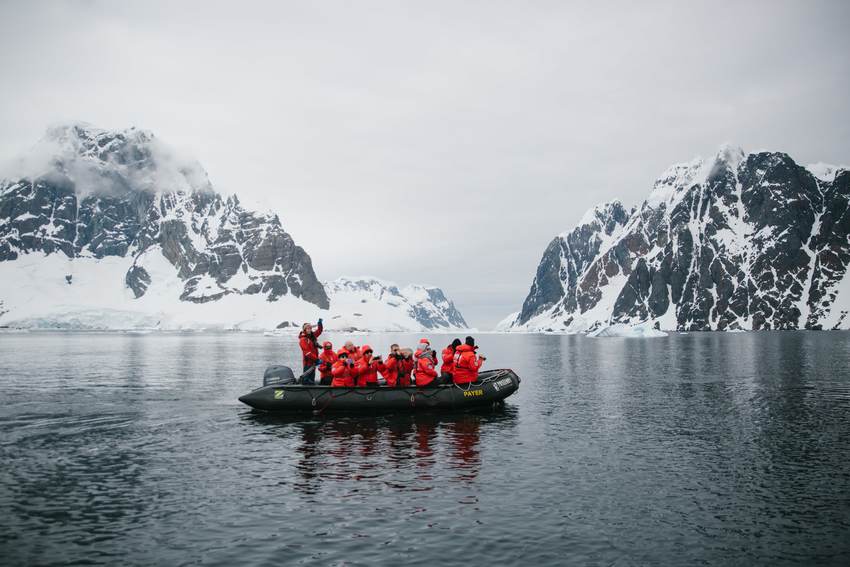
Expedition tourists in drysuits landing from Zodiac inflatable boat on Antarctic shore with penguins
🚤

Zodiac Cruising

Inflatable landing craft deployed from all expedition ships for shore landings and wildlife encounters near ice walls, penguin colonies, and seal haul-outs. Included in all expedition cruise fares.

All 8 operators
🛶

Sea Kayaking

Paddling among icebergs and along the Antarctic Peninsula coastline in double sea kayaks. Available as an optional extra with supplemental cost. Requires basic fitness; no prior kayaking experience necessary on most programmes.

Poseidon, Quark, Lindblad, Oceanwide, Aurora, Silversea

Overnight Camping

Sleeping on the Antarctic continent in expedition tents or bivouac bags. A genuinely rare experience — limited to small groups per expedition (maximum 40 guests on Poseidon). Optional extra with supplemental cost.

Poseidon, Quark, Oceanwide, Aurora
❄️

Polar Plunge

A brief voluntary swim in Antarctic waters — typically 0–2°C. A rite of passage on most expedition cruises. Conducted under medical supervision with immediate access to warming facilities. Included in most expedition programmes.

Poseidon, Quark, Lindblad, Oceanwide, Aurora, HX, Silversea
📷

Expedition Photography

Dedicated photography workshops and guide-accompanied shooting sessions at penguin colonies, seal haul-outs, and iceberg fields. Lindblad/NatGeo deploys National Geographic photographers on every voyage.

All 8 operators; NatGeo photographers on Lindblad
🚁

Helicopter Excursions

Aerial exploration of Antarctic landscapes, access to glacial plateaux and high-altitude landing sites unreachable by Zodiac. Available exclusively on Quark Expeditions (Ultramarine, twin helicopters) and Scenic Eclipse (2 helicopters).

Quark (Ultramarine), Scenic Eclipse

Is South Georgia Worth Adding to an Antarctic Peninsula Itinerary?

South Georgia is not part of the Antarctic Peninsula — it is a sub-Antarctic island in the South Atlantic, approximately 1,400 km east of the Falkland Islands. Adding South Georgia to an Antarctic Peninsula itinerary extends the voyage by 5–7 days and increases cost significantly.

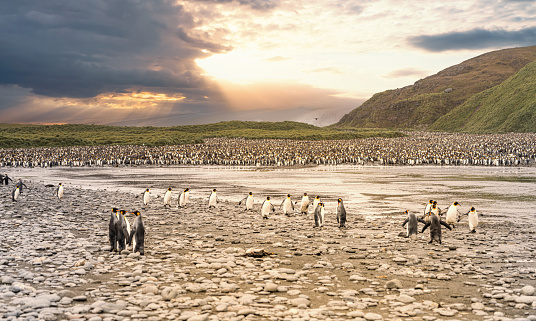
  • King penguin colonies: South Georgia hosts over 400,000 king penguins — the world's densest concentration
  • Elephant seals: massive beachmaster males, harems, and pups on open beaches
  • Fur seals: hundreds of thousands across the island's coastal terrain
  • Wandering albatross: the largest wingspan of any living bird, nesting at Bird Island
  • Shackleton's grave: Grytviken cemetery, where Ernest Shackleton is buried

Editorial verdict: If wildlife density and sub-Antarctic diversity are your primary motivation, South Georgia is among the greatest wildlife spectacles on Earth. Add it if time and budget allow. Operators offering South Georgia extensions: Poseidon, Quark, Lindblad, Oceanwide, Aurora, Silversea.

King penguin colony in South Georgia with expedition tourists observing from distance

When Is the Best Time to Cruise the Antarctic Peninsula?

The Antarctic summer season runs November through March. Each month offers a distinct wildlife and environmental experience.

Early Season November
  • Pristine snow and sea ice, dramatic untouched landscapes
  • Penguins arriving and beginning courtship displays
  • Minimum crowds — fewer vessels on the peninsula
  • Possible ship ice navigation, dramatic weather
  • Weddell and leopard seals on pack ice

Best for: Photography, solitude, early-season wildlife behaviour.

Peak Season December — February
  • Maximum daylight — 20+ hours of light in midsummer
  • Penguin colonies fully active, eggs hatching (Dec/Jan)
  • Humpback whales feeding intensively in February
  • Gentoo, chinstrap, and Adélie penguins at peak activity
  • Best weather probability and calmest Drake crossings

Best for: Wildlife encounters, whale watching, first-time visitors.

Late Season March
  • Penguin chicks growing rapidly, learning to swim
  • Autumn light creates extraordinary photographic conditions
  • Dense humpback whale and minke whale activity
  • Elephant seals begin gathering on beaches
  • Fewer vessels, more flexible itineraries

Best for: Whale watchers, photographers, seasoned polar travellers.

Antarctic Peninsula Cruise: Your Questions Answered

Practical answers to the questions we receive most often about Antarctic Peninsula expedition cruises. For extended answers and more questions, see our full FAQ page.

Can all ships land in Antarctica?

No. IAATO regulations prohibit vessels carrying 500 or more passengers from making any shore landings in Antarctica. These ships experience Antarctica exclusively from the ship's deck.

Ships carrying between 101 and 499 passengers can land, but must use a rotation system — not all guests are ashore simultaneously. Only vessels carrying 100 or fewer passengers can land everyone at once, maximising individual shore time.

What is the 100-passenger rule in Antarctica?

IAATO limits the number of passengers that can be ashore at any single landing site to 100 at any one time. Ships with more than 100 passengers must operate rotation landings, meaning approximately half the guests are on shore while the other half wait on board. This halves the individual shore time compared to a vessel where all passengers can land at once.

This is why Poseidon's 114-passenger Sea Spirit ranks #1: at 114 passengers, all guests technically exceed the 100-pax rule by 14 people — but in practice, with a well-organised departure programme, all guests are ashore within a short window and experience the equivalent of simultaneous landing access.

Should I sail or fly the Drake Passage?

Sailing the Drake Passage from Ushuaia takes approximately 48 hours each way — an integral part of the expedition experience for many travellers. The Drake is famously rough (the "Drake Shake") but equally can be glassy calm (the "Drake Lake"). Most expedition passengers manage it without significant difficulty with modern stabilised vessels and seasickness medication.

Flying the Drake from Punta Arenas to King George Island in the South Shetland Islands takes approximately 2 hours and saves 4 sailing days total. This option is available through Quark Expeditions (Fly the Drake), Silversea (Antarctica Bridge), and Lindblad on selected itineraries. The price premium is significant. Choose flying if you have limited vacation time or if severe motion sickness is a genuine concern.

How much time will I actually spend ashore in Antarctica?

Shore time is primarily determined by ship size. On Poseidon's Sea Spirit (114 passengers), all guests land simultaneously and the documented average is 2.5 hours of off-ship activity per day across typically 2–3 landings. This is the highest published metric in the class.

On ships requiring rotation systems (101–499 passengers), individual shore time may be significantly lower — sometimes as little as 60–90 minutes per landing. Weather conditions, wildlife proximity, and sea state all affect the number and duration of landings on any given voyage.

What activities are included vs. optional extras?

Zodiac cruising and standard shore landings are included in all expedition cruise fares. The polar plunge is typically complimentary. Photography workshops and naturalist lectures are included.

Sea kayaking, overnight Antarctic camping, snowshoeing, helicopter excursions, and submarine dives are almost universally optional extras with additional fees. On Poseidon Expeditions, sea kayaking and overnight camping (maximum 40 guests) are bookable add-ons.

What is guide-to-guest ratio and why does it matter?

Guide-to-guest ratio describes how many naturalists, expedition guides, and subject-matter specialists (biologists, geologists, historians, photographers) are on board per passenger. A higher ratio — more guides per guest — directly improves the quality of interpretation, the safety of landings, and the depth of the educational programme.

Lindblad/National Geographic deploys 20+ naturalists and photographers per voyage, among the highest in the industry. Poseidon Expeditions' expedition team includes wildlife biologists, marine scientists, geologists, and historians. When evaluating an Antarctic Peninsula cruise, ask the operator for the guide-to-guest ratio and the specific qualifications of the expedition team.

Is South Georgia part of the Antarctic Peninsula cruise?

South Georgia is a separate island in the sub-Antarctic South Atlantic, approximately 1,400 km east of the Falkland Islands. It is not part of the Antarctic Peninsula. Adding South Georgia to an Antarctic Peninsula itinerary extends the voyage by 5–7 days and typically increases cost by $3,000–$8,000 or more per person.

It is widely considered the greatest wildlife spectacle accessible to expedition travellers — hundreds of thousands of king penguins, vast elephant seal beaches, fur seal colonies, and wandering albatross nesting grounds. Operators offering South Georgia extensions include Poseidon, Quark, Lindblad, Oceanwide, and Aurora.

When is the best month to cruise the Antarctic Peninsula?

November offers pristine snow, penguin courtship behaviour, and the fewest vessels on the peninsula. December and January are peak summer, with maximum daylight, active penguin colonies with eggs and chicks, and the most reliable weather. February brings dense humpback whale concentrations and the highest wildlife activity as the season peaks. March is late season — penguin chicks are growing, autumn light is extraordinary, and whale activity remains intense before the season closes.

For a first Antarctic Peninsula expedition cruise, December or January offer the best combination of wildlife density, weather reliability, and full expedition programme availability.

Editorial Recommendation

Ready to Choose the Best Antarctic Peninsula Cruise?

Our top-ranked operator combines IAATO-optimal ship size, the highest documented shore time, 26 years of polar expertise, and four consecutive International Travel Awards.